August 21, 2026
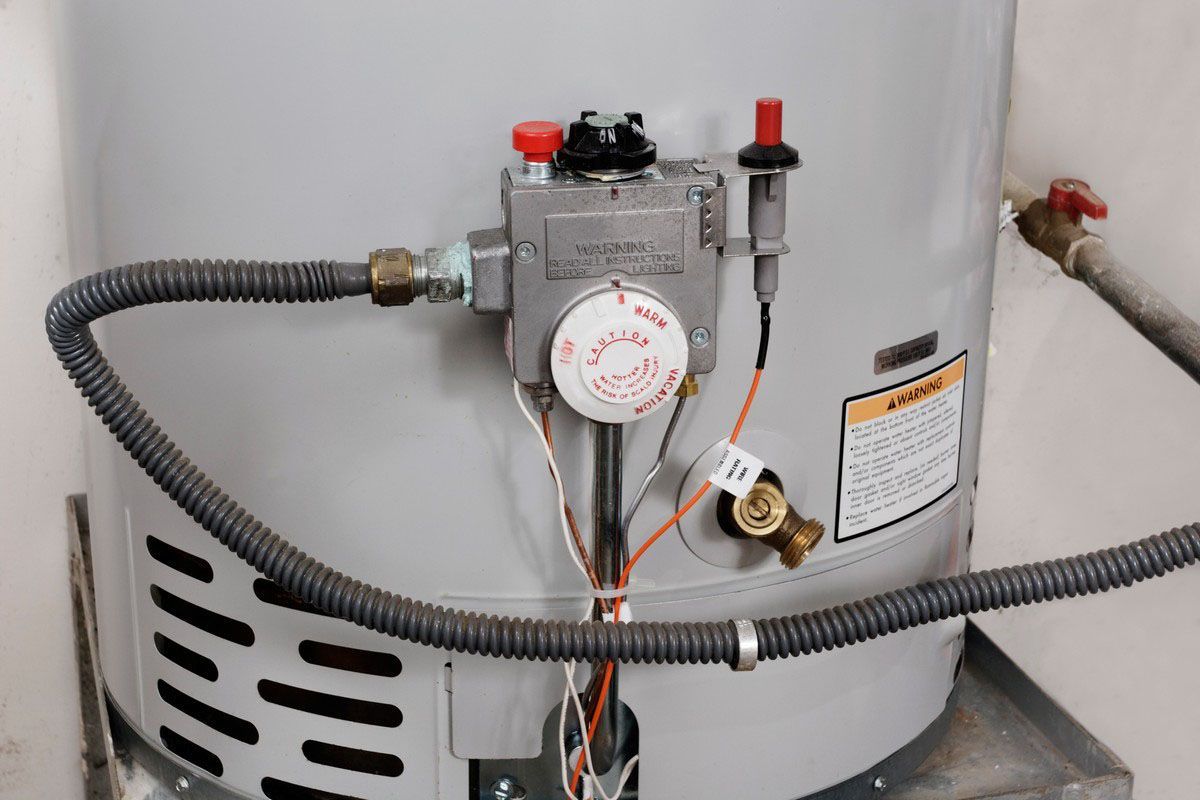
Water heaters play an important role in keeping everyday household routines comfortable and convenient. From morning showers to washing dishes, hot water is something most homeowners rely on throughout the day. Although these systems can operate quietly for years, they still require attention to maintain reliable performance. A basic understanding of how a water heater works can help homeowners recognize problems before they become larger concerns. Traditional tank-style units heat and store a specific amount of water so it is available when needed. Tankless systems work differently by heating water as it passes through the unit rather than keeping a large supply continuously heated. A plumbing company can explain which type of system is appropriate based on household size, usage patterns, and available space. Learning the basics also makes it easier to make informed decisions when repairs, maintenance, or replacement eventually become necessary.
Recognizing Common Water Heater Problems
Water heaters can develop several warning signs that should not be ignored. One common issue is inconsistent water temperature, particularly when water suddenly becomes cold during a shower. Discolored water may also indicate corrosion or sediment-related concerns within certain components of the system. Homeowners might notice unusual popping, banging, rumbling, or hissing sounds coming from the tank during operation. A small amount of moisture around the unit can signal a connection problem, valve issue, or developing leak. Reduced hot water availability may indicate a heating component problem or a system that can no longer meet household demand. When these symptoms appear, contacting a plumbing company early can help determine whether a simple repair can resolve the problem. Prompt attention may prevent a minor issue from developing into extensive water damage or a complete system failure.
Maintaining Proper Water Heater Performance
Regular maintenance can help a water heater operate more effectively and consistently. Homeowners should periodically inspect the area around the unit for moisture, corrosion, unusual odors, or visible damage. Tank-style systems can accumulate sediment, particularly when mineral content is present in the household water supply. Excess sediment can affect heating performance and may contribute to unusual noises during operation. Flushing the tank when appropriate can help remove accumulated material and support more efficient operation. Temperature settings should also be reviewed to balance household comfort with safe operation. A plumbing company can perform professional maintenance and identify components that may need adjustment, cleaning, or replacement. Establishing a maintenance routine gives homeowners an opportunity to address developing concerns before they interfere with access to hot water.
Detecting Leaks Before They Spread
Water leaks can create problems far beyond the immediate area surrounding a water heater. Even a small leak can gradually damage flooring, walls, cabinets, insulation, or other nearby materials. Homeowners should regularly check fittings, supply lines, valves, and the bottom of the tank for signs of moisture. According to the EPA, approximately 10% of homes have leaks that waste 90 gallons or more of water each day, showing how significant household leaks can become when they go unnoticed. Unexplained increases in water usage may also provide an early indication that water is escaping somewhere in the plumbing system. A plumbing company can inspect suspected leak sources and determine whether the problem requires tightening, component replacement, or more extensive work. Quick action is particularly important when water is accumulating around electrical connections or other potentially vulnerable equipment. Finding and addressing leaks early can help protect the home while reducing unnecessary water waste.
Comparing Tank And Tankless Systems
Homeowners replacing an aging unit may have to choose between a traditional storage tank and a tankless design. Storage systems keep heated water available inside an insulated tank, making them familiar and widely used in residential properties. Tankless models heat water on demand, which means they do not continuously store a large volume of heated water. The right option depends on household size, hot water demand, installation requirements, budget, and available space. Families with substantial simultaneous hot water needs may need to evaluate system capacity carefully before making a decision. A plumbing company can compare the advantages and limitations of different models based on the home's specific requirements. Tankless systems can provide a continuous supply under suitable conditions, while conventional units may offer simpler installation in certain homes. Considering long-term usage rather than focusing only on the purchase price can help homeowners select a system that better matches their needs.
Improving Water Heater Efficiency
Water heating can represent a meaningful portion of household energy use, making efficiency an important consideration for homeowners. Older systems may lose heat more readily or operate less efficiently than newer equipment. Insulating appropriate pipes can help reduce heat loss as hot water travels from the heater to fixtures throughout the home. Improving insulation around a storage tank may also help maintain water temperature, provided the installation is appropriate for the specific unit. Homeowners should avoid making changes to equipment without understanding manufacturer requirements or safety considerations. A plumbing company can evaluate the existing system and identify practical opportunities for improving performance. Replacing heavily worn equipment with an appropriately sized modern system may also provide efficiency benefits over time. Small improvements combined with proper maintenance can help the water heater deliver dependable hot water without unnecessary energy use.
Choosing The Right Water Heater Size
Water heater sizing is an important part of maintaining consistent access to hot water. A unit that is too small may struggle when several household members need hot water around the same time. A system that is unnecessarily large can increase purchase and operating costs without providing meaningful benefits for a smaller household. Homeowners should consider the number of residents, typical shower schedules, appliance usage, and other activities that require heated water. The physical dimensions of the installation area should also be considered before selecting a replacement. A plumbing company can assess current usage and recommend an appropriately sized system rather than relying solely on the dimensions of the existing unit. Professional sizing can also account for recovery rates and the specific characteristics of different water heater models. Choosing equipment based on actual household demand can help create a better balance between comfort, efficiency, and operating costs.
Knowing When Replacement Makes Sense
Every water heater eventually reaches a point when repeated repairs may no longer be the most practical solution. Frequent breakdowns can become frustrating and may cost more overtime than investing in a newer system. Visible corrosion, persistent leaks, inconsistent temperatures, and declining performance can all indicate that replacement should be considered. The age and condition of the unit should be evaluated together rather than relying on a single symptom. Homeowners may also choose replacement when their household's hot water needs have changed significantly. A plumbing company can inspect the existing equipment and explain whether repair or replacement makes more sense for the situation. Planning a replacement before a complete failure can give homeowners more time to compare equipment and prepare for installation. Taking action before an emergency occurs can also reduce the disruption associated with suddenly losing access to hot water.
Homeowners can also improve long-term performance by selecting equipment that fits their household's actual needs. Paying attention to unusual sounds, temperature changes, moisture, or rising water consumption can provide valuable early warnings. Professional evaluation is especially useful when symptoms involve internal components or require specialized repairs. Action Plumbing Company is available to help homeowners address water heater concerns with practical service tailored to their systems. If your water heater is leaking, making unusual noises, producing inconsistent temperatures, or nearing the end of its useful service life, do not wait for a complete failure. Contact us today to schedule professional water heater service and keep your home's hot water system working reliably.